Overview
Chemical peels are one of dermatology’s oldest, most versatile, and most clinically proven treatments — yet in the hands of an expert like Dr. Sonali Gupta, the best dermatologist in Faridabad, they are transformed into highly precise, results-driven therapies capable of addressing acne, pigmentation, ageing, dullness, and scarring. At Accord Hospital, Dr. Gupta offers a full spectrum of physician-grade peels — customised meticulously to each patient’s skin type, concern, and tolerance — delivering results that over-the-counter products simply cannot achieve.
What is a Chemical Peel?
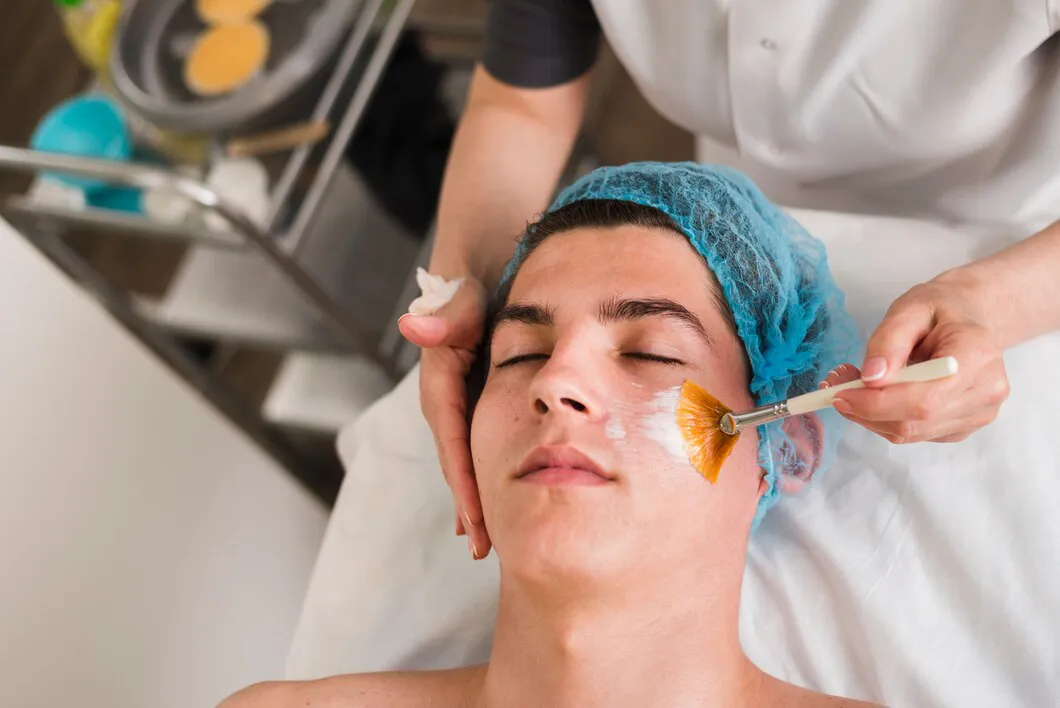
A chemical peel involves the controlled application of an acid solution to the skin’s surface. This solution exfoliates the outermost layers of skin — dissolving the glue-like bonds between dead skin cells and triggering the skin’s renewal process. Depending on the depth of the peel — superficial, medium, or deep — the degree of exfoliation and the subsequent skin renewal vary. Physician-grade peels used by Dr. Gupta are far more potent and precisely formulated than any product available in spas or over the counter.
Types of Chemical Peels Offered
- Glycolic Acid Peel (AHA): Superficial peel ideal for brightening, mild pigmentation, and anti-aging with zero downtime
- Salicylic Acid Peel (BHA): Oil-soluble peel that penetrates pores — excellent for acne, oily skin, and blackheads
- Mandelic Acid Peel: Gentler, safe for darker Indian skin tones — great for pigmentation and sensitive skin
- Lactic Acid Peel: Hydrating and brightening — suitable for dry and mature skin
- TCA Peel (Trichloroacetic Acid): Medium-depth peel for deeper pigmentation, acne scars, and skin rejuvenation
- TCA CROSS: Highly targeted technique for ice-pick acne scars — one of the most effective scar treatments
- Combination Peels (Jessner’s, Modified): Multi-acid formulations for comprehensive skin renewal
- Retinol Peels: Anti-aging vitamin A peels for fine lines, skin texture, and tone
What Can Chemical Peels Treat?
Chemical peels are remarkably versatile. At Dr. Gupta’s clinic, they are used to treat acne and oily skin, post-acne pigmentation and dark spots, melasma and hormonal pigmentation, sun damage and tanning, dull and lacklustre skin, fine lines and early ageing signs, uneven skin tone and rough texture, and mild-to-moderate acne scars. A proper consultation and skin analysis helps Dr. Gupta select the ideal peel — and the ideal concentration — for your specific needs.
What to Expect During and After a Peel
The peel is applied to cleansed skin and left on for a precise duration — which varies by peel type and skin tolerance. Patients may experience a mild tingling or stinging sensation during the application, which subsides as the peel is neutralised. Superficial peels require no downtime — the skin may look slightly flushed for a few hours. Medium peels may cause 3 to 5 days of skin flaking and peeling. All peeling reveals fresh, brighter, and smoother skin beneath.
A series of 4 to 6 sessions spaced 2 to 4 weeks apart is typically recommended for best results. Sun protection is paramount during and after a peeling course to prevent pigmentation rebound.
Why Dr. Sonali Gupta is the Best Choice for Chemical Peels in Delhi NCR
The effectiveness and safety of chemical peels are entirely dependent on physician expertise — incorrect peel selection, wrong concentration, or improper timing can cause burns, scarring, or worsening pigmentation. Dr. Gupta’s 16+ years of experience with the full range of peels — across all Indian skin types — ensures consistently excellent, safe outcomes. Her patients from across Faridabad, Delhi, Gurugram, and Noida trust her for some of the most beautiful peel results in Delhi NCR.








 WhatsApp Us