Overview
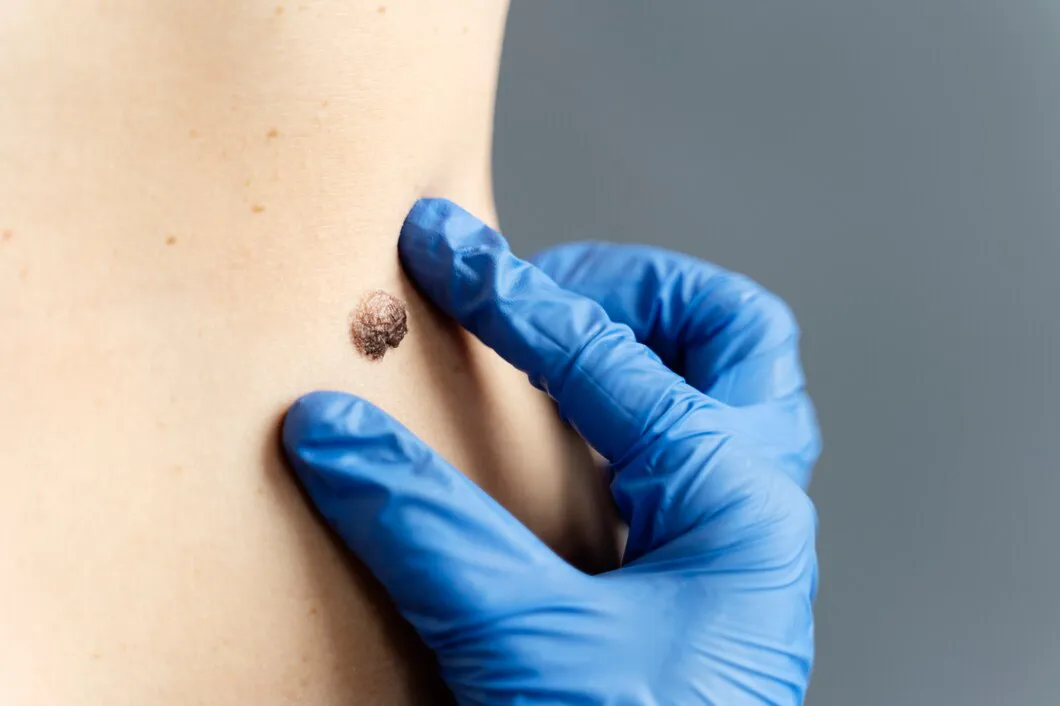
Moles — also called nevi — are extremely common benign skin growths composed of clusters of pigmented cells. While the vast majority of moles are completely harmless, many people seek their removal for cosmetic reasons, or when a mole becomes irritating due to its location. In some cases, moles must be removed for medical reasons — when they show features suspicious for malignancy. At Dr. Sonali Gupta’s clinic at Accord Hospital, Faridabad, mole removal is performed as a medically supervised procedure — ensuring that every lesion is properly assessed, safely removed, and sent for histopathological examination when indicated. As the best dermatologist in Faridabad, Dr. Gupta’s clinical judgment in evaluating moles is the most important first step.
When Should a Mole Be Removed?
Mole removal may be appropriate for several reasons:
- Cosmetic reasons: Moles on the face, neck, or body that affect appearance or self-confidence
- Functional reasons: Moles that are repeatedly traumatised by clothing, jewellery, or shaving
- Medical concern: Moles showing the ABCDE warning signs — Asymmetry, irregular Border, multiple Colours, Diameter greater than 6mm, Evolution (change in size, shape, or colour) — which may indicate atypical or malignant changes requiring prompt evaluation and excision
Dr. Gupta performs a thorough clinical assessment of every mole, including dermoscopic examination when necessary, before recommending removal and the most appropriate technique.
Mole Removal Techniques
- Surgical excision: The mole is excised with a scalpel under local anaesthesia. Sutures are placed, and the specimen is sent for histopathological analysis. This is the preferred method for suspicious or larger moles
- Shave excision: Used for raised moles. A scalpel blade shaves the mole flush with the skin surface — no sutures required. Minimal scarring with excellent cosmetic results
- Radiofrequency/Cautery removal: For small, benign-appearing, raised moles and skin tags — RF energy or cautery precisely ablates the lesion with minimal bleeding and no sutures needed
- Laser removal: CO2 or Er:YAG laser ablation for flat, pigmented, or superficial moles — particularly effective for facial moles where cosmesis is paramount
After Mole Removal: Healing and Scar Care
Post-removal care is straightforward. The treated area is kept clean and protected. A small wound or crust forms and heals over 7 to 14 days. Dr. Gupta provides detailed aftercare instructions and a scar management plan — including sun protection, silicone gel application, and follow-up assessment — to ensure the most aesthetically pleasing final result. All excised specimens that warrant it are sent for histopathological analysis, providing complete peace of mind regarding the nature of the removed lesion. This comprehensive, safety-first approach is what defines the best mole removal specialist in Faridabad and Delhi NCR.

 WhatsApp Us