Overview
Pigmentation — whether in the form of melasma, dark spots, sun damage, post-inflammatory marks, or uneven skin tone — is one of the most common and distressing skin concerns for people living in India’s sun-intense climate. Dr. Sonali Gupta, the best dermatologist in Faridabad and a leading skin expert in Delhi NCR, offers Q-Switch Laser treatment as one of the most effective, clinically proven solutions for stubborn pigmentation at Accord Hospital, Sector 86.
What is a Q-Switch Laser?
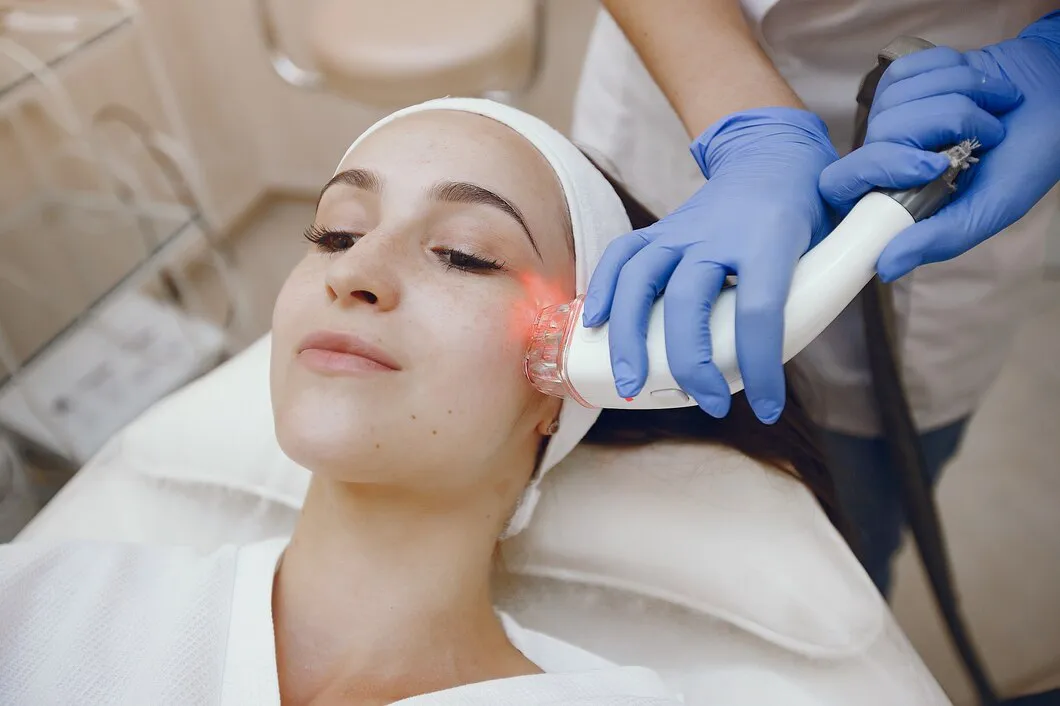
A Q-Switched laser delivers ultra-short, high-intensity pulses of laser energy in nanoseconds (billionths of a second). This rapid energy delivery shatters melanin pigment deposits in the skin into microscopic particles, which are then naturally eliminated by the body’s lymphatic system. Unlike continuous lasers that heat tissue over longer periods, the Q-switch’s photoacoustic mechanism destroys pigment selectively — without burning the surrounding skin. This makes it the gold standard for pigmentation treatment, tattoo removal, and skin brightening in dermatology.
What Can Q-Switch Laser Treat?
- Melasma: Hormonally triggered deep pigmentation common in Indian women
- Sunspots & age spots: UV-induced pigmentation on face, hands, and neck
- Post-inflammatory hyperpigmentation (PIH): Dark marks left after acne, injuries, or rashes
- Freckles and lentigines: Superficial pigmented spots
- Uneven skin tone: General dullness and patchy complexion
- Tattoo removal: Breaks down ink particles of various colours
- Nevus of Ota: Blue-grey pigmentation around the eye area
The Procedure and Experience
At Dr. Gupta’s clinic at Accord Hospital, the Q-switch laser session begins with a thorough skin consultation and a Wood’s lamp examination to assess the depth and distribution of pigmentation. A topical numbing cream may be applied for sensitive areas. The laser handpiece is then passed over the pigmented regions, delivering rapid pulses that feel like tiny rubber band snaps on the skin. Sessions typically last 20 to 40 minutes depending on the area treated.
Post-treatment, some temporary redness and mild swelling are normal and resolve within hours to a day. A gentle darkening of treated spots — called “frosting” — is a positive clinical sign indicating successful pigment destruction. This darkens briefly before shedding away naturally within 5 to 7 days, revealing clearer, brighter skin underneath.
How Many Sessions Will I Need?
Pigmentation treatment with Q-switch laser is a gradual process. Superficial pigmentation like freckles and sunspots may show significant improvement in 2 to 4 sessions. Deeper conditions like melasma typically require 6 to 10 sessions, with maintenance thereafter. Dr. Gupta designs a comprehensive pigmentation management protocol that may combine Q-switch laser with topical therapies and sun protection for the most comprehensive and lasting results.
Why Expert Care Matters for Pigmentation Treatment
Pigmentation treatment with lasers requires significant expertise, especially for Indian skin tones that are more prone to post-treatment hyperpigmentation if settings are incorrect. Dr. Sonali Gupta’s 16+ years of laser experience and her training in advanced laser medicine ensure that every session is safely calibrated, achieving the delicate balance between efficacy and skin safety. Her practice is regarded as one of the best pigmentation clinics in Delhi NCR.




 WhatsApp Us