Overview
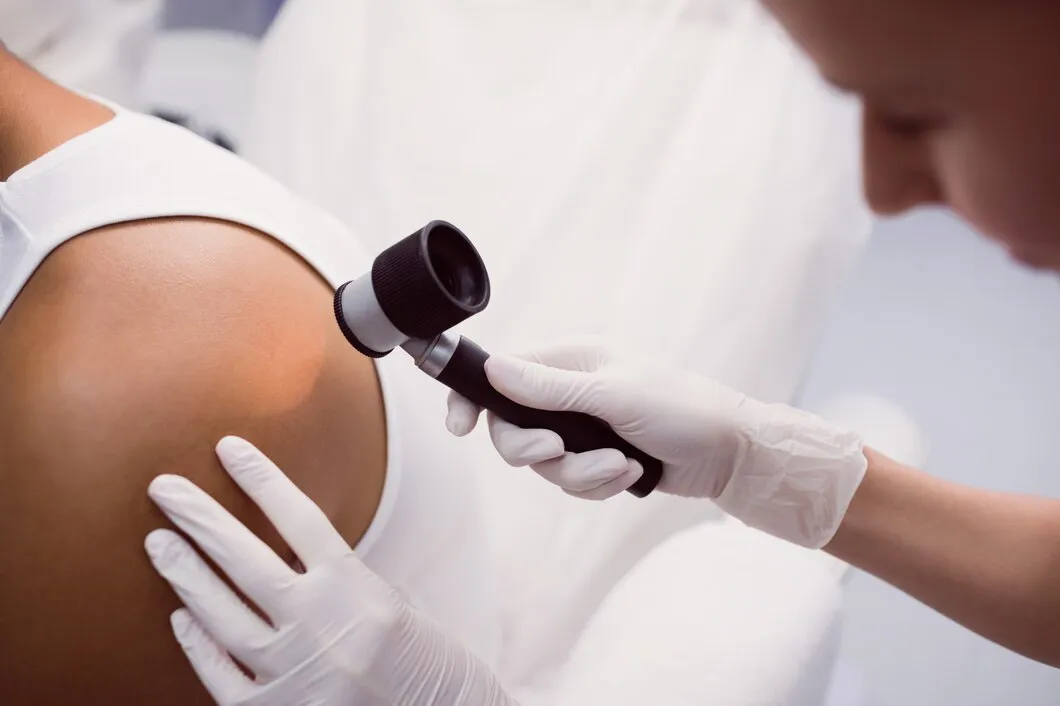
A skin biopsy is one of the most important diagnostic tools in dermatology — often the definitive investigation that provides a precise histopathological diagnosis when clinical examination alone is inconclusive. At Dr. Sonali Gupta’s clinic at Accord Hospital, Faridabad, skin biopsies are performed with the highest degree of clinical skill and precision — ensuring that the correct biopsy type is chosen, the ideal site is selected, and the procedure is carried out with minimal discomfort and scarring. As the best dermatologist in Faridabad and Delhi NCR, Dr. Gupta’s ability to interpret biopsy results within the full clinical context sets her diagnostic acumen apart.
What is a Skin Biopsy?
A skin biopsy involves the removal of a small sample of skin tissue for laboratory examination by a histopathologist (a pathologist specialising in tissue analysis). The tissue sample is processed, sectioned, stained, and examined under a microscope to identify specific cellular patterns, inflammatory changes, structural abnormalities, or malignant cells. The biopsy report, interpreted alongside the clinical picture by Dr. Gupta, enables a definitive diagnosis and guides the most accurate and targeted treatment plan.
Types of Skin Biopsies Performed
- Punch Biopsy: The most common type — a circular punch tool removes a small core of full-thickness skin (typically 2 to 6 mm in diameter). Ideal for inflammatory conditions, rashes, and suspected skin diseases
- Shave Biopsy: A superficial biopsy using a scalpel or blade to remove a raised lesion at skin level — suitable for elevated moles, seborrhoeic keratoses, and superficial growths
- Incisional Biopsy: A wedge-shaped sample is removed from part of a larger lesion — used when a lesion is too large for complete removal
- Excisional Biopsy: The entire lesion is removed along with a margin of normal skin — simultaneously diagnostic and therapeutic, commonly used for suspected skin cancers and pigmented lesions
When is a Skin Biopsy Needed?
Dr. Gupta recommends a skin biopsy when: a rash or skin condition does not respond to standard treatment, a growth, mole, or lesion shows features that warrant histological confirmation, a diagnosis of skin cancer or pre-cancer is suspected, rare or complex inflammatory skin diseases require confirmation, or autoimmune skin conditions such as pemphigus, lupus, or lichen planus need tissue confirmation. A biopsy transforms diagnostic uncertainty into clinical clarity — enabling targeted and appropriate treatment.
What to Expect During a Biopsy
The biopsy site is first anaesthetised with a local injection — which causes minimal, brief stinging. The entire procedure typically takes 10 to 20 minutes and is generally comfortable. One or two small sutures may be placed following a punch or incisional biopsy. Results are typically available within 7 to 14 days from the laboratory. Dr. Gupta reviews results personally with each patient, explaining findings and their implications in clear, accessible terms. Post-biopsy care is straightforward — the site heals well and leaves a minimal scar in most cases.
The Importance of Expert Biopsy Interpretation
The value of a biopsy is directly proportional to the expertise of the clinician who ordered it and who interprets the report in clinical context. A biopsy read in isolation, without the treating physician’s clinical input, can be misleading. Dr. Sonali Gupta’s 16+ years of clinical experience in dermatology, her comprehensive knowledge of inflammatory and neoplastic skin conditions, and her ability to correlate histopathological findings with clinical presentations make her one of the most reliable and accurate diagnosticians in Faridabad and Delhi NCR.







 WhatsApp Us