Posted By: Dr. Sonali Gupta on 03 Jun 2026
Overview
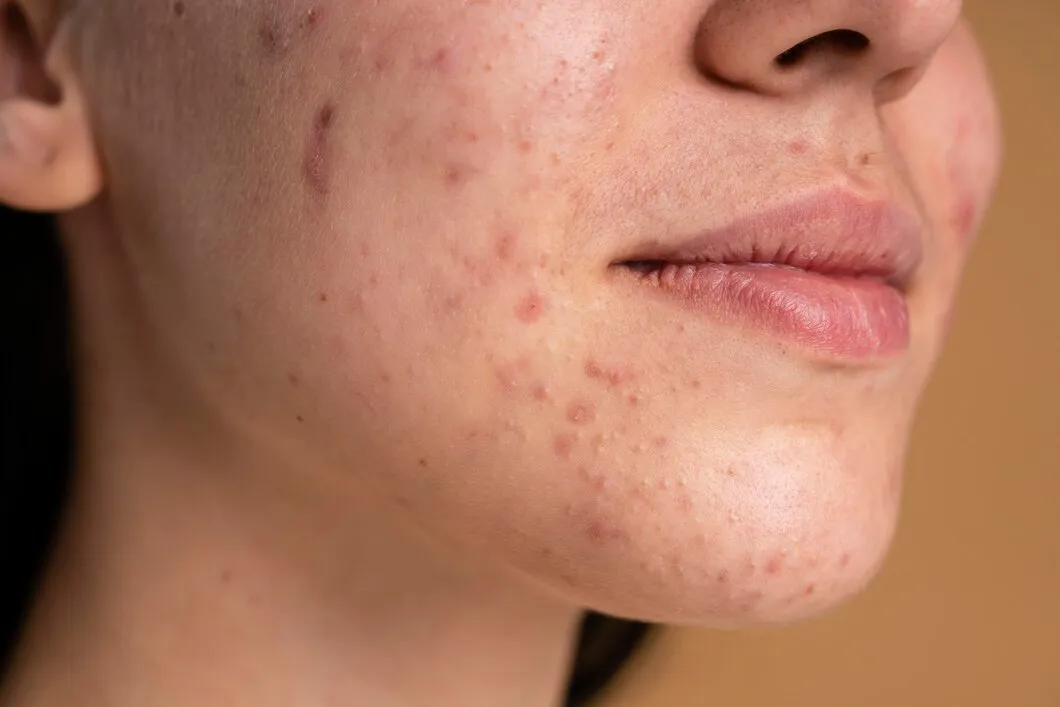
Acne may eventually clear, but the scars it leaves behind can remain for years. Acne scars are a common concern among teenagers and adults alike, affecting both appearance and self-confidence. Fortunately, advances in dermatology have made acne scar treatment more effective than ever, with several options available to improve skin texture and reduce the visibility of scars.
What Causes Acne Scars?
Acne scars develop when inflammation from acne damages the deeper layers of the skin. During the healing process, the skin may produce too little or too much collagen, resulting in visible scars. The risk of scarring is often higher in individuals with severe acne, delayed treatment, or a tendency to pick or squeeze pimples.
Common Types of Acne Scars
Different types of acne scars require different treatment approaches. The most common types include:
- Ice Pick Scars: Deep, narrow scars that extend into the skin.
- Boxcar Scars: Round or oval depressions with defined edges.
- Rolling Scars: Broad depressions that create an uneven skin texture.
- Post-Inflammatory Pigmentation: Dark marks left behind after acne heals.
Effective Acne Scar Treatment Options
Modern dermatology offers several treatment options that can significantly improve the appearance of acne scars. The best approach depends on the type and severity of scarring.
CO2 Laser Resurfacing
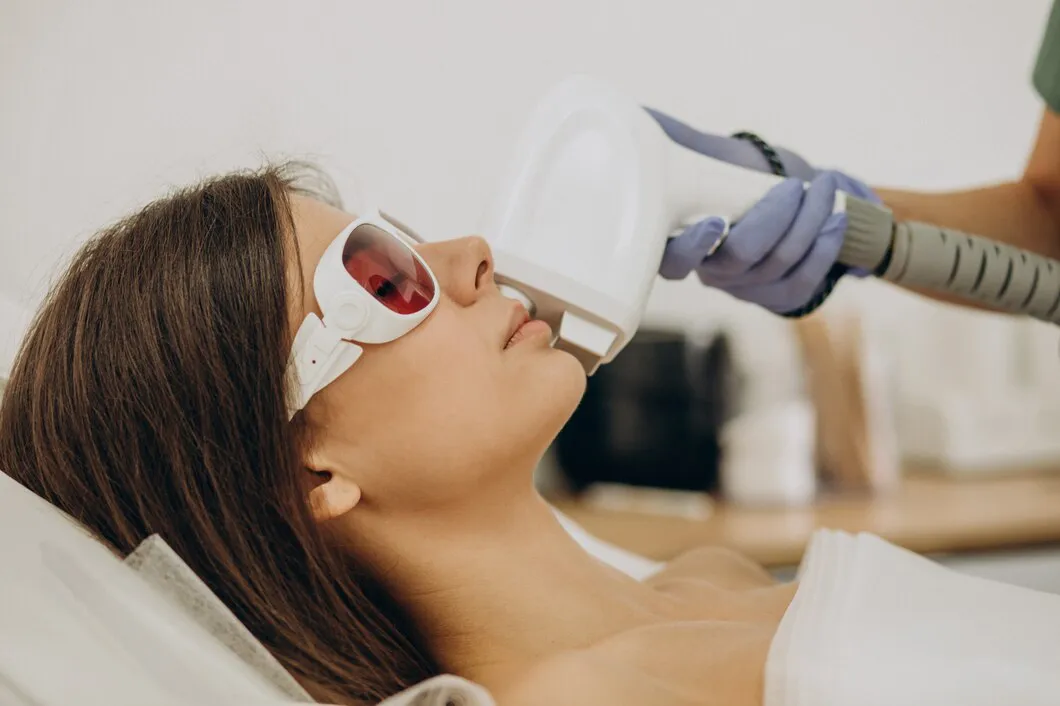
CO2 Laser treatment works by removing damaged skin layers and stimulating collagen production. It is particularly effective for improving skin texture and reducing moderate to severe acne scars.
Dermapen 4 Microneedling
Dermapen 4 creates controlled micro-injuries in the skin, encouraging natural collagen and elastin production. This treatment is widely used for atrophic acne scars and overall skin rejuvenation.
Chemical Peels
Chemical peels exfoliate damaged skin cells and promote the growth of healthier skin. They can help improve superficial acne scars, uneven skin tone, and post-acne pigmentation.
Radio Frequency Treatments
Radio Frequency technology stimulates collagen remodeling within the deeper layers of the skin, helping to improve scar depth and skin firmness over time.
What Results Can You Expect?
Acne scar treatments can significantly improve the appearance of scars, but complete removal is not always possible. Most patients experience smoother skin texture, reduced scar depth, improved skin tone, and enhanced overall appearance. Multiple treatment sessions are often recommended to achieve optimal results.
How Long Does It Take to See Improvement?
Results vary depending on the treatment used and the severity of scarring. While some improvement may be visible within a few weeks, collagen remodeling continues for several months after treatment. Patience and adherence to the recommended treatment plan are important for achieving the best outcome.
Can Acne Scars Be Prevented?
The best way to prevent acne scars is to treat acne early and avoid picking or squeezing lesions. Seeking timely care from a qualified dermatologist can help control active acne and reduce the risk of permanent scarring.
When Should You Consult a Dermatologist?
If acne scars are affecting your confidence or quality of life, professional evaluation can help identify the most suitable treatment options for your skin type and scar pattern. Early intervention often leads to better results.
To learn more about available skin treatments, visit our Services page.
You can also read more about Dr. Sonali Gupta and her experience in dermatology and cosmetology.
Ready to improve the appearance of your acne scars? Book an Appointment with Dr. Sonali Gupta for a personalized consultation.
If you have any questions regarding acne scar treatment, feel free to Contact Us.
Conclusion
Acne scars can be challenging, but modern dermatology offers a range of effective solutions to improve skin texture and appearance. Treatments such as CO2 Laser, Dermapen 4, Chemical Peels, and Radio Frequency procedures can help reduce scar visibility and stimulate healthy collagen production. Since every individual’s skin and scar pattern are unique, a personalized treatment plan is essential for achieving the best possible results. Consulting an experienced dermatologist can help you understand your options and take the first step toward smoother, healthier-looking skin.


 WhatsApp Us